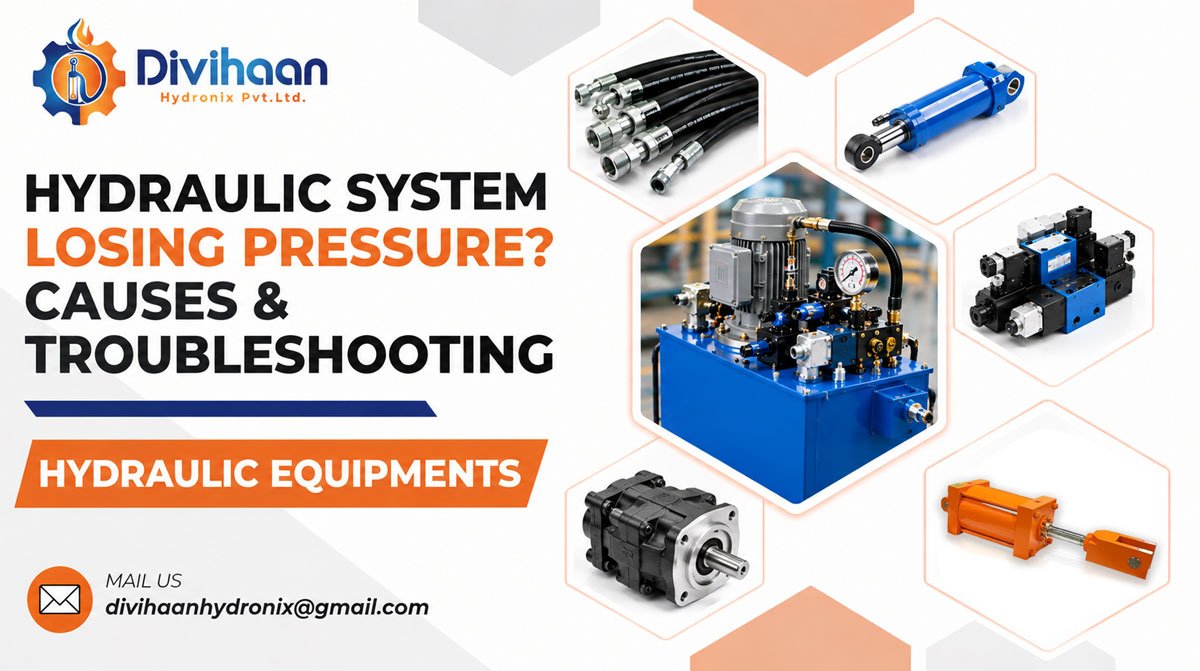
Hydraulic systems play a critical role in agricultural, industrial, and construction equipment. From excavators and tractors to manufacturing machinery, these systems rely on consistent hydraulic pressure to deliver reliable performance. When pressure begins to drop, machines can become slow, weak, or inconsistent, and leaving the issue unresolved may lead to component damage, costly repairs, and unexpected downtime.
In this guide, we’ll explore the most common causes of hydraulic pressure loss, the warning signs to look for, and a practical troubleshooting process to help identify the underlying problem and restore your hydraulic system’s performance.
A hydraulic system losing pressure can result in slow operation, reduced lifting capacity, irregular actuator movement, overheating, or complete equipment failure. Common causes of hydraulic pressure loss include low fluid levels, internal or external leakage, worn pumps, contaminated hydraulic oil, clogged filters, faulty valves, and damaged cylinder seals.
Finding the actual cause early is important. Simply increasing the pressure setting without diagnosing the system can hide the underlying problem and may put additional stress on hydraulic components. This guide explains the common causes of low hydraulic pressure, how to troubleshoot them systematically, and what can help prevent recurring pressure problems.
What Is Hydraulic Pressure Loss?
Hydraulic systems use pressurized fluid to transmit power from a pump to components such as cylinders and hydraulic motors. A hydraulic pressure drop occurs when the system cannot develop or maintain the pressure required to perform its intended work. The machine may still operate, but it may become slower, weaker, inconsistent, or unable to handle its normal load.
It is also important to distinguish between pressure and flow. Pressure is related to resistance to flow and the force available at an actuator, while flow strongly influences actuator speed. A machine that moves slowly does not automatically have a pressure problem; insufficient flow can produce similar symptoms.
What Are the Common Signs of Low Hydraulic Pressure?
A hydraulic system pressure problem may show up in several ways:
- Hydraulic cylinders move slowly or fail to complete their stroke.
- Equipment cannot lift or hold its normal load.
- Cylinder or motor movement becomes irregular.
- The system produces unusual pump noise.
- Hydraulic oil temperature rises excessively.
- Actuators drift or fail to hold position.
- Machine performance gradually decreases.
- Visible hydraulic oil leakage appears around hoses, fittings, cylinders, or valves.
These symptoms indicate that inspection is needed, but they do not identify the failed component by themselves.
1. Low Hydraulic Fluid Level
One of the simplest causes of low hydraulic pressure is insufficient fluid in the reservoir.
When the oil level becomes too low, the pump may not receive a consistent supply of hydraulic fluid. Air can enter the pump inlet, affecting system performance and potentially contributing to noise, unstable operation, and component wear.
Why Does Hydraulic Fluid Become Low?
Possible reasons include:
- External leaks
- Damaged hoses or fittings
- Leaking cylinder seals
- Improper filling after maintenance
- Reservoir or connection leakage
Check the reservoir according to the equipment manufacturer’s specified procedure and investigate the reason for any unexplained reduction in oil level.
2. Internal or External Hydraulic Leaks
Leakage is a major cause of hydraulic pressure loss. External leaks are generally easier to identify because hydraulic oil may be visible around hoses, fittings, valves, pumps, or cylinders. Internal leakage is more difficult to detect. Fluid can bypass worn seals or internal clearances without appearing outside the equipment.
How Does Internal Leakage Reduce Hydraulic Pressure?
When pressurized oil bypasses the intended working path, less usable hydraulic force reaches the actuator.
Potential sources include:
- Worn hydraulic cylinder seals
- Worn pump components
- Leaking control valves
- Damaged valve seals
- Excessive internal component clearances
Persistent pressure loss without an obvious external leak may therefore require professional pressure and component testing.
3. Worn or Damaged Hydraulic Pump
The hydraulic pump provides flow to the system. As internal pump components wear, internal leakage can increase and the pump may no longer supply adequate flow under operating conditions.
Signs of Hydraulic Pump Problems
Possible symptoms include:
- Reduced machine performance
- Unusual pump noise
- Excessive heat
- Poor performance under load
- Pressure that fails to reach the specified operating range
Pump condition should be evaluated through proper hydraulic system troubleshooting rather than replacing the pump based on symptoms alone.
4. Contaminated Hydraulic Oil
Contamination can affect valves, pumps, cylinders, seals, and other precision hydraulic components.
Common contaminants include dirt, metal particles, water, degraded oil, and other foreign material. Contamination can accelerate wear, restrict passages, interfere with valve operation, and damage sealing surfaces.
Can Contaminated Oil Cause Hydraulic Pressure Loss?
Yes. Contaminated fluid can indirectly or directly contribute to hydraulic pressure problems by causing component wear, sticking valves, blocked passages, or seal damage. Using the correct hydraulic fluid and maintaining appropriate filtration are therefore important parts of system reliability.
5. Clogged Hydraulic Filter
A hydraulic filter removes contaminants from the fluid, but excessive contamination can eventually restrict flow. Depending on where the restriction occurs and how the hydraulic circuit is designed, a clogged filter can contribute to poor performance, increased pressure drop across the filter, pump inlet problems, or reduced available flow. Filters should be inspected or replaced according to the equipment manufacturer’s maintenance requirements and condition indicators where fitted.
6. Faulty Pressure Relief Valve
The pressure relief valve protects a hydraulic system from excessive pressure.
If a relief valve is stuck partially open, contaminated, damaged, worn, or incorrectly adjusted, oil may return to the reservoir before the system reaches its required operating pressure.
How Do You Know If a Hydraulic Relief Valve Is Faulty?
Possible indications include:
- System pressure remains below specification.
- Performance becomes weak under load.
- Oil temperature increases.
- Pressure cannot be maintained as expected.
Relief valve settings should not be increased simply to compensate for poor performance. The cause should first be diagnosed against the equipment manufacturer’s pressure specifications.
7. Hydraulic Cylinder Seal Failure
Hydraulic cylinders depend on effective sealing to convert fluid pressure into linear force.
Worn or damaged piston seals can allow oil to bypass internally from one side of the piston to the other. Rod seals and other sealing elements may also deteriorate because of contamination, excessive temperature, damaged surfaces, incorrect installation, or normal wear.
Can a Hydraulic Cylinder Lose Pressure Without Leaking Oil Outside?
Yes. Internal hydraulic cylinder leakage can occur without an obvious external oil leak. The cylinder may drift, struggle to hold a load, move inconsistently, or produce less force even though its exterior appears dry.
8. Air Entering the Hydraulic System
Air can enter a hydraulic circuit through low reservoir levels, suction-side leaks, poor connections, or incorrect maintenance procedures. Entrained air can make operation noisy, erratic, and less responsive. It can also contribute to fluid foaming and poor overall system performance.
Finding and correcting the source of air ingress is more important than repeatedly bleeding the system without addressing the underlying cause.
How to Troubleshoot a Hydraulic System Losing Pressure
When troubleshooting hydraulic pressure loss, use a systematic process rather than immediately replacing components.
Step 1: Check Hydraulic Fluid
Verify the oil level and inspect the fluid for signs of contamination, foaming, water, or deterioration.
Step 2: Inspect for External Leaks
Check accessible hoses, fittings, cylinders, valves, connections, and other hydraulic components for leakage or physical damage.
Step 3: Check Filters and Restrictions
Inspect filter condition and service indicators where applicable. Look for restrictions that could interfere with proper fluid supply or return.
Step 4: Measure System Pressure
Use suitable pressure-testing equipment at the specified test points and compare readings with the equipment manufacturer’s specifications.
Step 5: Inspect the Pump and Relief Valve
If pressure remains low, the pump, relief valve, and associated circuit may require further testing.
Step 6: Test Cylinders and Valves for Internal Leakage
If the system develops pressure but cannot maintain force or position, internal leakage through cylinders or valves may be involved.
Hydraulic systems can operate at hazardous pressures. Testing, adjustments, and repairs should be performed by trained personnel using appropriate equipment and manufacturer procedures.
How Can Hydraulic Pressure Loss Be Prevented?
Good hydraulic system maintenance can reduce the risk of unexpected pressure problems.
Keep hydraulic fluid at the specified level, use the correct fluid grade, maintain filtration, inspect hoses and fittings, address leaks promptly, keep contamination out during servicing, monitor operating temperature, and follow the equipment manufacturer’s preventive maintenance schedule.
Recording pressure, temperature, filter condition, oil condition, and recurring leaks can also make gradual deterioration easier to identify before it develops into a major breakdown.
When Should You Get a Hydraulic System Professionally Inspected?
Professional diagnosis is recommended when the hydraulic system repeatedly loses pressure, cannot perform under load, overheats, develops excessive noise, shows cylinder drift, or continues to malfunction after basic maintenance checks.
Divihaan Hydronix provides hydraulic engineering solutions and support for industrial hydraulic applications. A systematic inspection can help determine whether the problem is related to the pump, cylinder, valve, hose, seal, fluid condition, or another part of the hydraulic circuit. For recurring hydraulic pressure problems, identifying the root cause before replacing components can reduce unnecessary repairs and equipment downtime.
Frequently Asked Questions About Hydraulic Pressure Loss
1. Why is my hydraulic system not building pressure?
A hydraulic system may fail to build pressure because of insufficient fluid, pump problems, internal leakage, a relief valve issue, restricted flow, damaged seals, or other circuit faults. Pressure testing is usually required to isolate the cause.
2. Can low hydraulic oil cause pressure problems?
Yes. An insufficient oil level can interfere with the pump’s fluid supply and allow air to enter the system, leading to unstable or poor hydraulic performance.
3. Can a hydraulic cylinder cause pressure loss?
Yes. Worn or damaged piston seals can allow internal bypass within the cylinder, reducing its ability to generate or maintain the required force.
4. Why does hydraulic pressure drop under load?
Pressure-related performance under load can be affected by excessive internal leakage, pump wear, relief valve problems, cylinder bypass, or other circuit issues. Measurements should be compared with manufacturer specifications to determine the actual cause.
5. Can a clogged hydraulic filter cause low pressure?
A severely restricted filter can interfere with fluid flow, depending on its location and the circuit design. Filter condition should therefore be included in hydraulic system troubleshooting.
6. How do I know if my hydraulic pump is failing?
Possible signs include unusual noise, excessive heat, reduced performance, poor output under load, and inability to achieve specified operating conditions. Testing is necessary because several other hydraulic faults can cause similar symptoms.
7. How can hydraulic pressure loss be prevented?
Maintain the correct oil level and fluid condition, control contamination, replace filters as required, inspect hoses and seals, monitor operating temperature, repair leaks promptly, and follow a preventive maintenance schedule.
Conclusion
A hydraulic system losing pressure is not a single-component problem. Low fluid levels, hydraulic leaks, pump wear, contaminated oil, restricted filters, faulty relief valves, cylinder seal failure, and air ingress can all contribute to poor hydraulic performance. Effective hydraulic system troubleshooting starts with identifying symptoms, checking basic conditions, measuring actual system pressure, and isolating the affected part of the circuit.
If your hydraulic equipment is experiencing recurring hydraulic pressure loss, professional inspection and timely maintenance can help identify the root cause, restore reliable operation, and reduce unplanned downtime.
Need support with hydraulic system troubleshooting, repair, or maintenance? Contact Divihaan Hydronix for professional hydraulic solutions and technical assistance.