Hydraulic systems depend on secure and reliable connections to transfer pressurized hydraulic fluid between components. While hydraulic cylinders, pumps, valves, and hoses perform the major functions of a system, hydraulic fittings provide the connections that allow these components to work together safely and efficiently.
The right fitting helps maintain hydraulic pressure, prevent leakage, and ensure dependable equipment operation. An incorrect fitting, incompatible thread, or poorly assembled connection can result in leakage, pressure loss, hose damage, and unexpected machine downtime.
As an experienced Hydraulic Fittings Manufacturer and Supplier in Bhosari, Pune, Divihaan Hydronix Pvt. Ltd. provides hydraulic fittings, hose connections, adapters, and related hydraulic solutions for industrial customers across Maharashtra and India.
What Are Hydraulic Fittings?
Hydraulic fittings are connection components used to join hydraulic hoses, tubes, pipes, and other components within a hydraulic circuit.
They can connect:
- Hydraulic hoses to hydraulic cylinders
- Hoses to hydraulic pumps
- Hoses to hydraulic control valves
- Tubes to manifolds
- Hydraulic pipes to equipment
- Hydraulic components to power packs
Depending on the application, fittings are available in different designs, sizes, thread standards, materials, and connection configurations.
A properly selected hydraulic fitting provides a secure connection while allowing hydraulic fluid to flow efficiently through the system.
Why Are Hydraulic Fittings Important?
Hydraulic systems frequently operate under high pressure and continuous load. This makes connection reliability just as important as the performance of the main hydraulic components.
Good-quality hydraulic fittings help provide:
- Leak-free connections
- Reliable pressure handling
- Efficient hydraulic fluid transfer
- Improved equipment safety
- Reduced maintenance requirements
- Longer service life
- Lower risk of unexpected downtime
For this reason, fittings should not be treated as minor accessories. They are critical components of the hydraulic circuit.
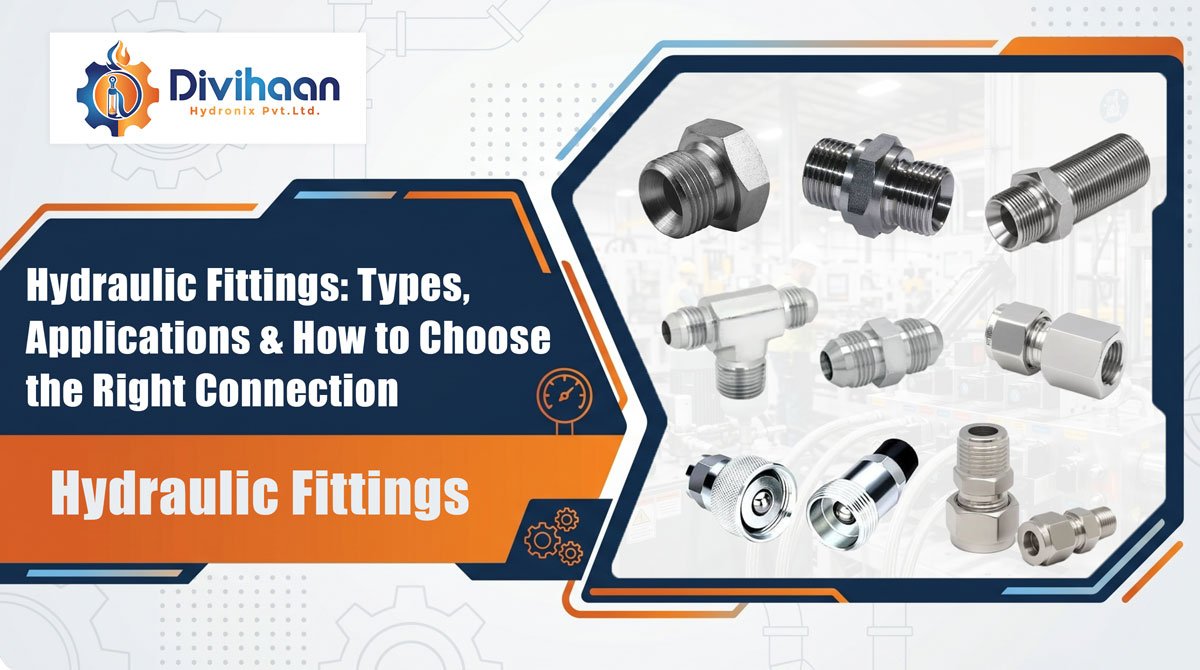
Types of Hydraulic Fittings
Different hydraulic applications require different connection arrangements. The following are some commonly used hydraulic fitting types.
1. Hydraulic Ferrules

Ferrules are used with hydraulic hose assemblies to secure the hose and fitting together during the crimping process.
A properly selected ferrule helps provide:
- Secure hose retention
- Reliable pressure handling
- Consistent crimping
- Reduced risk of hose pull-off
Ferrule selection should always be matched to the specific hose and fitting combination.
2. Hydraulic Adapters
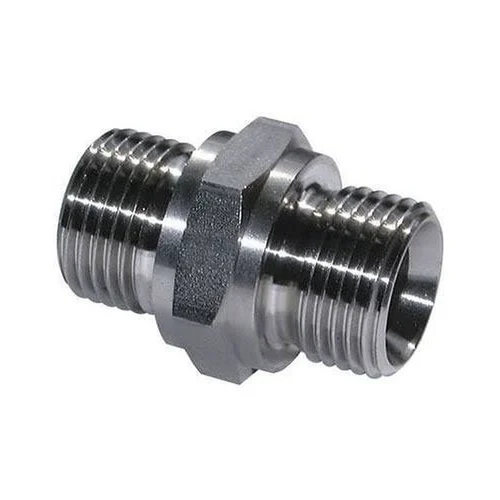
Hydraulic adapters allow connections between components with different connection types, sizes, or configurations.
They can be useful when connecting:
- Hoses to ports
- Different thread standards
- Tubes to hydraulic components
- Existing equipment to replacement components
Hydraulic adapters are particularly useful when modifying or repairing existing hydraulic systems.
3. Male Studs

Male studs provide a threaded connection between hydraulic components. They are commonly used where a male-threaded connection is required within a hydraulic circuit.
Correct selection depends on:
- Thread type
- Size
- Pressure rating
- Application
- Sealing method
4. Male & Female Connectors
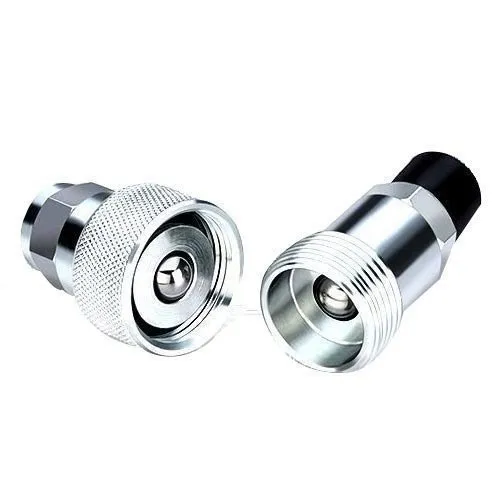
Male and female hydraulic connectors are designed to create secure connections between hoses, tubes, and hydraulic components.
The correct combination helps ensure proper alignment and sealing while maintaining the required operating pressure.
These connectors are commonly found in industrial machinery, hydraulic power units, construction equipment, and mobile hydraulic systems.
5. Banjo Couplings

Banjo couplings, sometimes referred to as banjo fittings, are useful where hydraulic connections require compact routing or specific orientation.
Their design can help with:
- Space-constrained installations
- Directional hose routing
- Compact hydraulic circuits
- Equipment with limited connection space
They are particularly useful where a conventional straight fitting may not provide adequate clearance.
6. Bulkhead Fittings
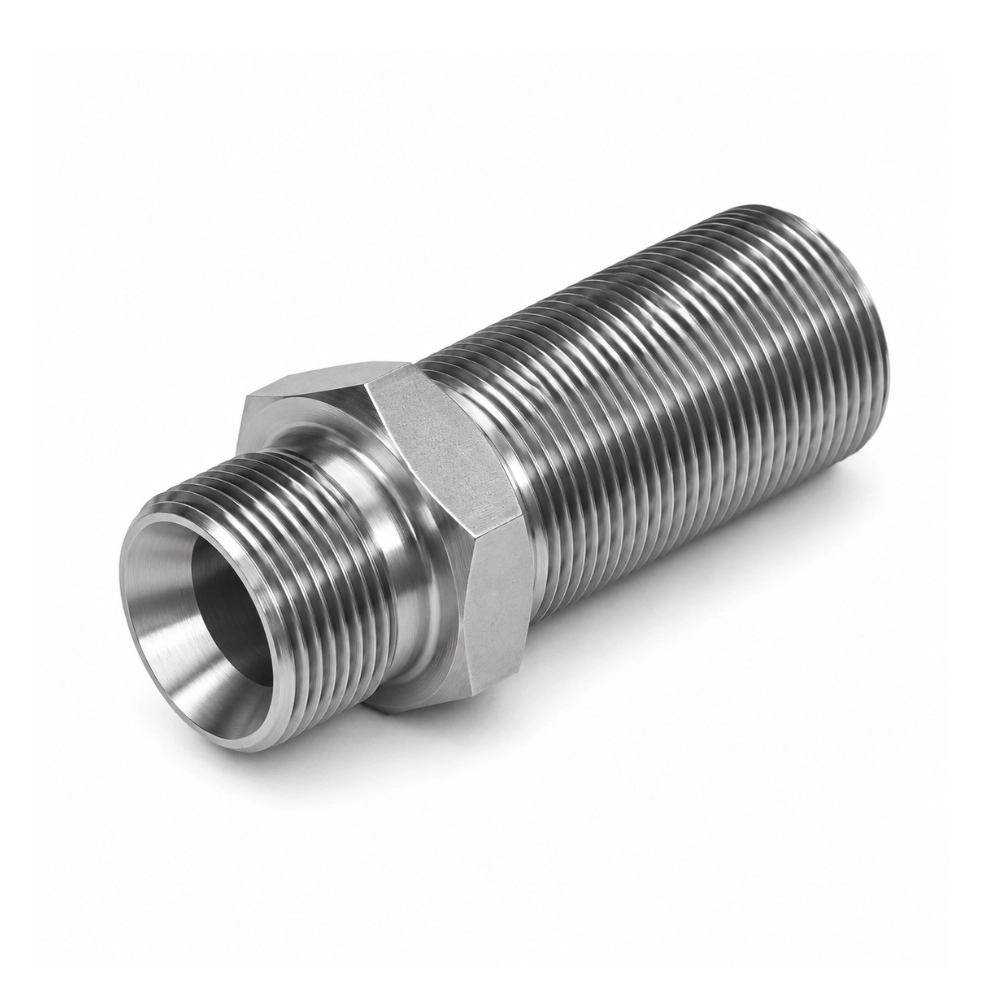
Bulkhead fittings allow hydraulic hoses or tubes to pass securely through panels, walls, frames, or equipment structures. They are useful for applications where hydraulic lines need to connect between two separate areas of a machine.
A properly installed bulkhead fitting provides a secure connection while helping organize hydraulic routing.
7. Tube Couplings
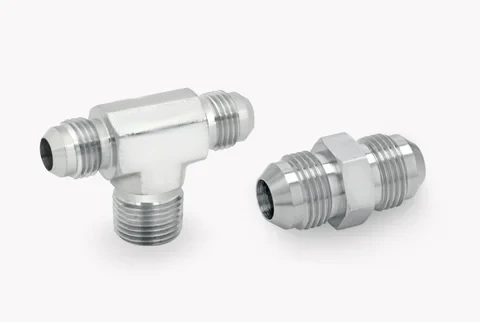
Tube couplings connect hydraulic tubes or pipes within a hydraulic circuit.
They are useful when:
- Extending hydraulic lines
- Joining two tube sections
- Repairing hydraulic piping
- Creating removable connections
Correct tube size and connection specifications are essential for achieving reliable performance.
8. Hydraulic Plugs
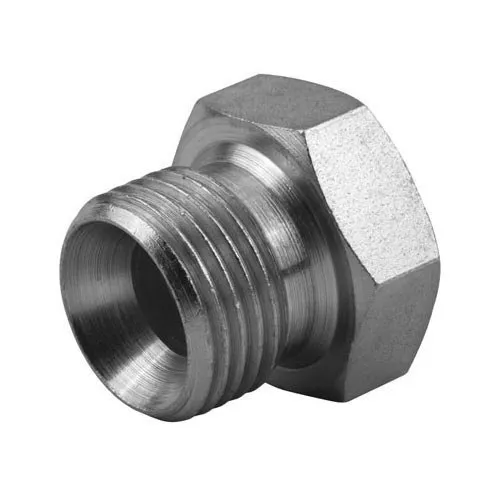
Hydraulic plugs are used to close unused hydraulic ports and openings.
They can help:
- Prevent contamination
- Stop fluid leakage
- Protect unused ports
- Simplify maintenance
- Secure hydraulic connections during transportation or servicing
The plug must match the relevant port size and thread specification.
Hydraulic Fitting Thread Standards
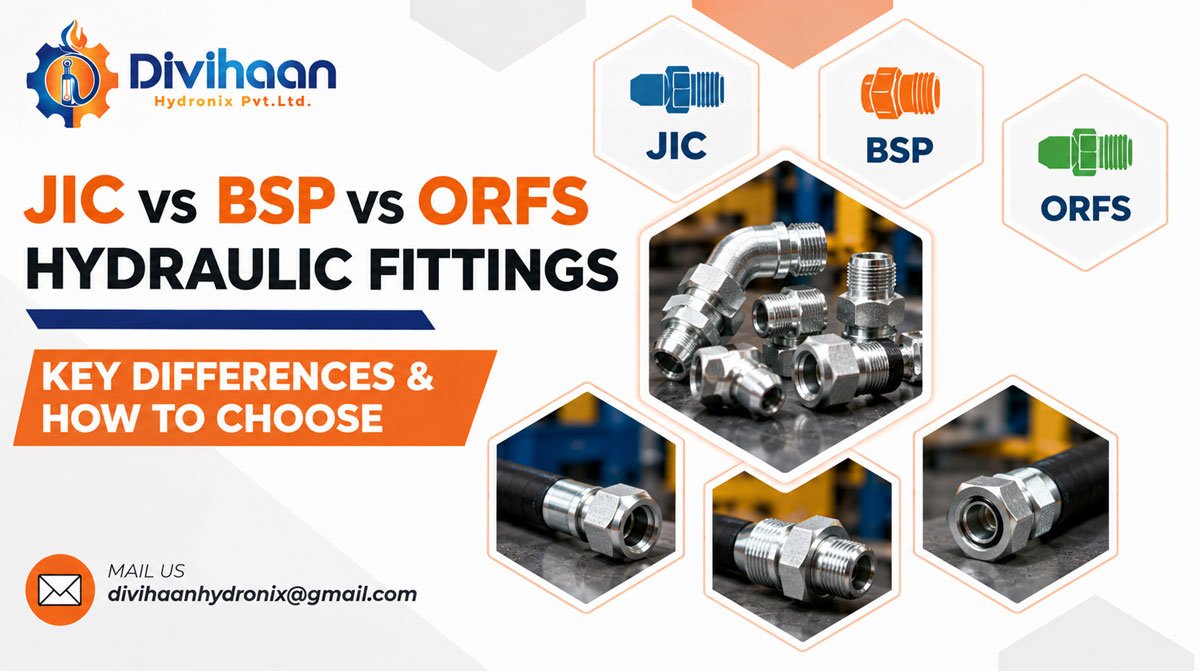
One of the most important considerations when selecting hydraulic fittings is the thread standard.
Common standards include:
- BSP
- NPT
- JIC
- SAE
- Metric
- JIS
- O-Ring
- ORB
These standards are not necessarily interchangeable.
For example, BSP and NPT threads may look similar, but their thread design and specifications differ. Using the wrong fitting can result in poor sealing, thread damage, or hydraulic leakage.
Always identify the existing thread standard before ordering a replacement fitting.
Applications of Hydraulic Fittings
Hydraulic fittings are used throughout industrial and mobile hydraulic systems.
Construction Equipment

Hydraulic fittings connect hoses and components in:
- Excavators
- JCBs
- Dump Trucks
- Cranes
- Wheel Loaders
- Hydraulic Breakers
Agriculture Equipment

Agricultural machinery uses hydraulic fittings in:
- Tractors
- Loaders
- Backhoes
- Harvesters
- Sprayers
- Irrigation equipment
Industrial Machinery
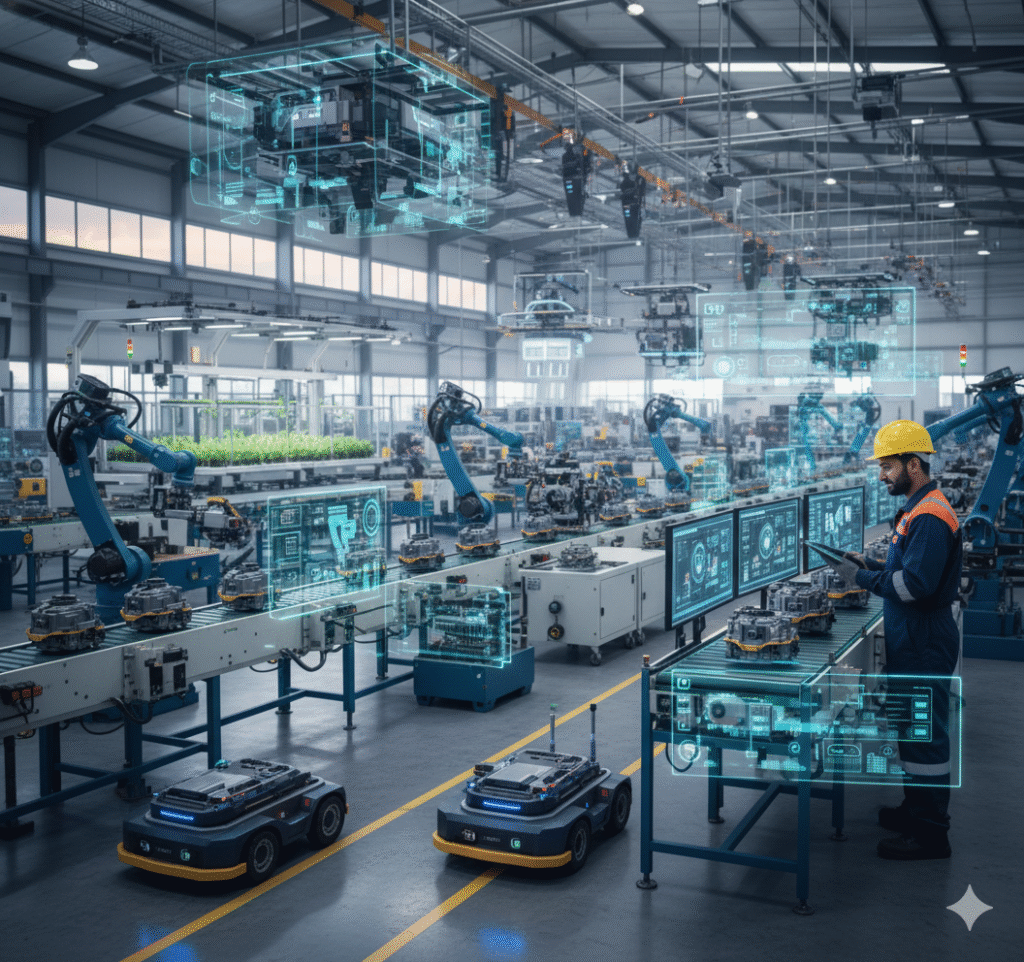
Hydraulic fittings are essential for:
- Hydraulic presses
- Injection molding machines
- Metal forming machines
- Packaging machinery
- Printing equipment
- Textile machinery
- Special Purpose Machines
Material Handling Equipment
Forklifts, stackers, pick-and-carry cranes, and slew cranes rely on hydraulic connections for their lifting and positioning systems.
Internal Link: Hydraulic Cylinder for Material Handling Equipment
How to Choose the Right Hydraulic Fitting
Choosing the right hydraulic fitting requires more than knowing the hose diameter.
Consider these factors:
1. Hose or Tube Size
The fitting must match the internal diameter and connection specifications of the hose or tube.
2. Thread Standard
Identify whether the connection requires BSP, NPT, JIC, SAE, Metric, JIS, or another standard.
3. Working Pressure
Select a fitting that can safely handle the hydraulic system’s maximum working pressure, including pressure spikes where applicable.
4. Temperature
Consider the operating temperature of the hydraulic system and ensure the fitting and sealing materials are suitable.
5. Hydraulic Fluid
The fitting and sealing materials must be compatible with the hydraulic fluid being used.
6. Application Environment
For outdoor, mobile, or heavy-duty applications, consider vibration, corrosion, abrasion, moisture, and temperature variations.
7. Connection Orientation
The fitting design should allow proper hose routing without excessive bending or twisting.
Why Quality Hydraulic Fittings Matter
Using the correct hydraulic fittings can have a direct impact on machine reliability.
Poor-quality or incorrectly selected fittings can cause:
- Hydraulic oil leakage
- Pressure loss
- Hose damage
- Component contamination
- Unexpected machine downtime
- Safety hazards
High-quality fittings provide reliable connections and help maintain the performance of hydraulic cylinders, hydraulic control valves, hydraulic power pack units, and other system components.
Hydraulic Fittings for Hose Assemblies
Hydraulic fittings are an essential part of professionally manufactured hose assemblies. The fitting must be correctly matched to the hose and installed using the appropriate crimping specifications.
A properly manufactured hose assembly provides:
- Secure hose-to-fitting connection
- Reliable pressure handling
- Reduced risk of hose separation
- Consistent assembly quality
- Longer service life
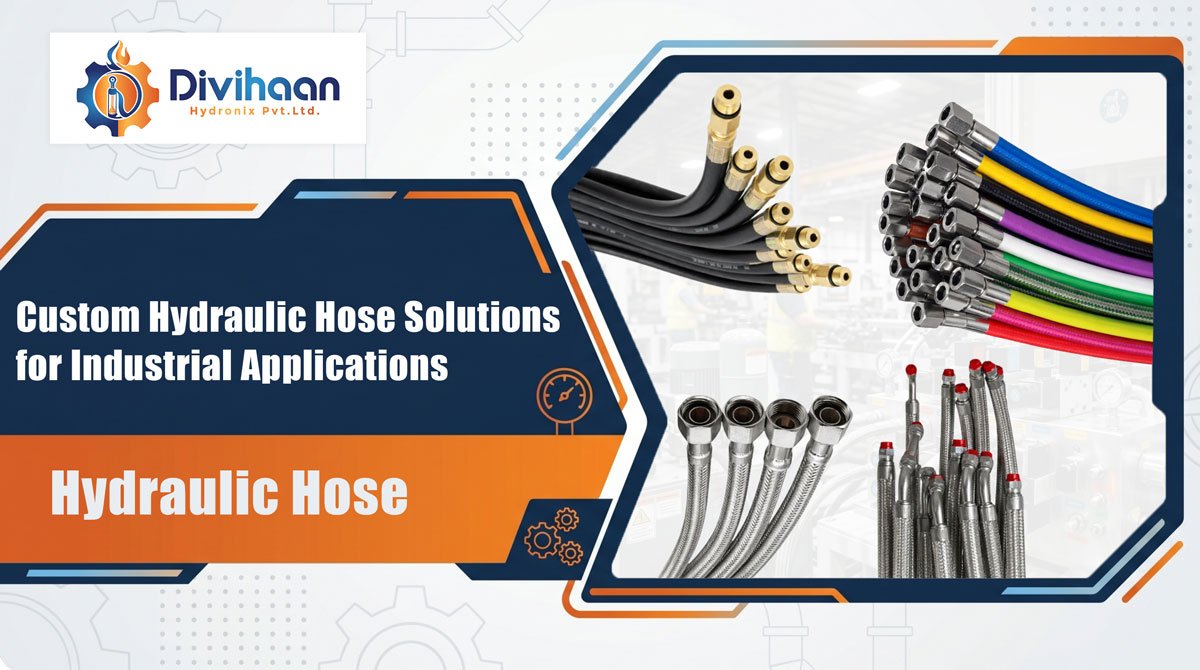
Internal Link: Custom Hydraulic Hose Solutions for Industrial Applications
Why Choose Divihaan Hydronix Pvt. Ltd.?
Divihaan Hydronix Pvt. Ltd. is a trusted Hydraulic Equipment Supplier based in Bhosari, Pune, providing hydraulic components and engineering solutions to customers across Maharashtra and India.
Our hydraulic product range includes:
- Hydraulic Fittings
- Hydraulic Hoses & Assemblies
- Hydraulic Ferrules
- Hydraulic Adapters
- Hydraulic Cylinders
- Hydraulic Control Valves
- Hydraulic Power Pack Units
- Hydraulic Presses
- Hydraulic Piping Kits
- Hydraulic Oil Pumps
- Pipe Clamps
- Hydraulic Cylinder Spare Parts
Our technical understanding allows us to help customers select hydraulic connections based on hose size, pressure, temperature, fluid compatibility, thread standard, and application requirements.
For customers requiring broader hydraulic support, we also provide Hydraulic Cylinder Repair and Maintenance Services, hydraulic press repairs and rebuilds, CNC machining, VMC machining, and hydraulic hose assembly solutions.
Expert Tips for Hydraulic Fitting Selection
Before ordering hydraulic fittings, keep these points in mind:
- Confirm the hose or tube size.
- Identify the correct thread standard.
- Check the maximum working pressure.
- Confirm hydraulic fluid compatibility.
- Consider operating temperature.
- Check the required fitting orientation.
- Use the correct sealing method.
- Avoid mixing incompatible thread standards.
- Use properly assembled and tested hose connections.
If you are unsure about fitting selection, provide your equipment details and existing connection specifications to an experienced hydraulic supplier.
Common Mistakes to Avoid
Using the Wrong Thread Standard: Never assume BSP, NPT, JIC, or Metric fittings are interchangeable.
Selecting Only by Size: Two fittings may have similar dimensions but different pressure ratings or thread specifications.
Ignoring Pressure Ratings: Always select fittings based on the system’s maximum operating pressure.
Over-Tightening Connections: Excessive tightening can damage threads or sealing components. Avoid twisting or sharply bending the hose near the fitting.
Poor Hose Routing
Using Low-Quality Components
Poor-quality fittings can lead to leakage, premature failure, and unnecessary downtime.
Related Resources
For more information about hydraulic products and applications, explore:
- Hydraulic Products & Industrial Applications Guide
- Custom Hydraulic Hose Solutions for Industrial Applications
- Hydraulic Hoses & Assemblies
- Hydraulic Control Valves
- Hydraulic Power Pack Units
- Hydraulic Presses
- Hydraulic Cylinder Repair
- How to Choose the Right Hydraulic Equipment Supplier
Frequently Asked Questions
What are hydraulic fittings used for?
Hydraulic fittings connect hoses, tubes, pipes, cylinders, pumps, valves, and other hydraulic components while maintaining secure and reliable fluid connections.
What types of hydraulic fittings are available?
Common types include ferrules, adapters, male studs, male and female connectors, banjo couplings, bulkhead fittings, tube couplings, and hydraulic plugs.
What is a hydraulic ferrule?
A hydraulic ferrule is used to secure a hydraulic hose and fitting during the crimping process, creating a reliable hose assembly.
What are hydraulic adapters used for?
Hydraulic adapters allow connections between components with different thread types, sizes, or connection configurations.
What are bulkhead fittings used for?
Bulkhead fittings allow hydraulic tubes or hoses to pass through equipment panels or structures while maintaining a secure connection.
Are BSP and NPT hydraulic fittings interchangeable?
No. BSP and NPT have different thread specifications and should not be treated as interchangeable. The correct thread standard should always be confirmed before installation.
How do I choose the right hydraulic fitting?
Consider hose or tube size, thread standard, pressure rating, temperature, hydraulic fluid compatibility, connection orientation, and operating environment.
Does Divihaan Hydronix supply hydraulic fittings in Pune?
Yes. Divihaan Hydronix supplies hydraulic fittings and related hydraulic products from its location in Bhosari, Pune, serving industrial customers across Maharashtra and India.
Conclusion
Hydraulic fittings may be small components, but they play a critical role in maintaining the safety, efficiency, and reliability of a hydraulic system. From ferrules and adapters to male studs, connectors, banjo couplings, bulkheads, tube couplings, and plugs, each fitting must be selected according to the specific requirements of the hydraulic circuit.
The right fitting improves fluid transfer, helps prevent leaks, maintains system pressure, and reduces the risk of unexpected equipment downtime.
At Divihaan Hydronix Pvt. Ltd., we provide hydraulic fittings and complete connection solutions for industrial and mobile hydraulic applications. Based in Bhosari, Pune, we support customers across Maharashtra and India with hydraulic hoses, fittings, cylinders, power packs, valves, presses, spare parts, machining, and repair services.
Looking for the right hydraulic fitting for your equipment? Contact Divihaan Hydronix Pvt. Ltd. to discuss your application and find a reliable hydraulic connection solution